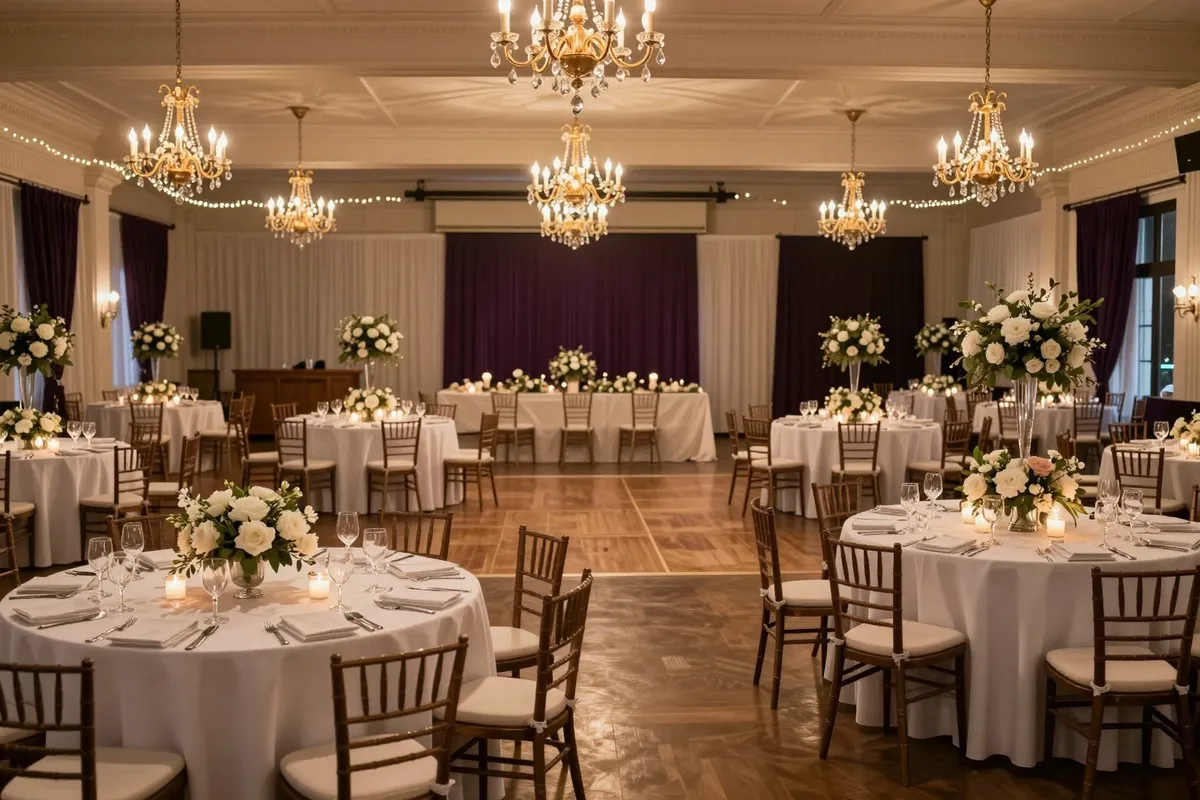
How to Plan a Wedding Step by Step: A 12-Month Timeline
A month-by-month wedding plan: the budget and venue a year out, then the photographer, music, attire and save-the-dates, and finally RSVPs, the seating chart and the marriage license. With due dates from our wedding checklist.
 By Mateusz Stopinski 7 min read

In this article
How to plan a wedding step by step? Count back from your wedding date and keep the order, because every decision sets up the next one. Twelve months out: the budget, the guest list and the venue. Ten months out: the photographer and the band or DJ. Six to eight months out: the dress, save-the-dates and the rest of your vendors. Two months out: invitations in the mail. The last month: RSVPs, the seating chart and the marriage license. Below is the full 12-month timeline in one table, built from our wedding checklist.
Planning guides disagree by a month here and there, and nothing breaks if you book the photographer a few weeks later than the table says. The order is a different story. Touring venues without a budget is guesswork, and save-the-dates sent before you've signed with a venue are save-the-dates without a place.
Where do you start planning a wedding?
Before you tour a single venue, settle three numbers: what you want to spend, how many people you'll invite and 2-3 dates that work. They drive each other, so decide them together, at one table, with your parents too if they're chipping in.
The budget. For 115 guests in a mid-size city or the suburbs, our wedding budget calculator puts a standard wedding at about $36,000 (a range of $30,500-43,000, including a 10% buffer), or about $310 per guest. Food and drinks are close to half of that, 48%, and every 10 fewer guests saves about $1,350. That's why the guest count is the biggest lever on the whole budget.
The guests. Not everyone you invite will come. Typically 75-85% of invited guests attend, and from a typical list of 140 people, our guest attendance calculator expects about 111. A rough list is enough for now. Settle plus-ones and kids early, though, because that's where guest-list fights start.
The date. Saturdays from May to October go first. A Friday or a Sunday, or an off-peak month (January-March, November), usually means 15-25% lower prices for the venue and vendors, according to our calculator.
How to plan a wedding step by step: the 12-month timeline
The table shows the stages from our checklist. Enter your wedding date there, and the months turn into real dates, with whatever is urgent right now flagged.
| When | What to do |
|---|---|
| 12 months before | budget and first guest list, reception venue, ceremony site or officiant |
| 10 months before | photographer and videographer, band or DJ, caterer if the venue has none, wedding website and registry |
| 8 months before | order the dress (made to order: 4-6 months, plus alterations), save-the-dates, wedding party, hotel room block |
| 6 months before | florist, hair and makeup, rentals, transportation, rehearsal dinner, honeymoon |
| 4 months before | order invitations, cake tasting, suits or tuxedos, ceremony music |
| 3 months before | wedding bands, final menu and tasting, ceremony script or parish paperwork |
| 2 months before | mail invitations with an RSVP date, hair and makeup trial, first dress fitting |
| 1 month before | marriage license, follow-ups on missing RSVPs, seating chart, final fitting |
| 2 weeks before | final headcount to the caterer, day-of timeline for vendors, escort and place cards |
| 1 week before | confirm vendor arrival times, pick up attire, final payments and tip envelopes |
| day before | rehearsal and rehearsal dinner, decor and favors to the venue, emergency kit |
A year is a comfortable pace, not a cushion. If you want a peak-season Saturday, start earlier: in our planner, the budget and the date come 15 months before the wedding, and booking the venue 12 months before.
12 months out: why does the venue come first?
The venue sets the date, the headcount, a big share of the budget and the clock the whole day runs on. Photographers and DJs ask for your date and location first, so there's nothing to book with them until the venue contract is signed.
When you tour venues, ask for a full quote, not just the price per plate. Ask about the food and beverage minimum, the service charge (often 18-25% on top, and usually not the staff tip), sales tax, overtime and vendor meals. Before you sign, read the cancellation clause: expect a non-refundable deposit, often 25-50%.
Right after the venue, book the photographer and the music. In-demand photographers fill peak-season Saturdays a year or more ahead. Pick a DJ or band from footage of a real wedding, not a studio demo, and ask how they emcee, because in the US the DJ or bandleader usually runs the entrances, toasts and cake cutting.
8-4 months out: attire, vendors and save-the-dates
Dresses take time. Made-to-order gowns need about 4-6 months to arrive, plus 2-3 months for alterations, so shopping 9 months out isn't overkill. Around 8 months, send save-the-dates (8-12 months for a destination wedding) and set up a hotel room block for out-of-town guests. Six months out, book the rest: florist, hair and makeup, rentals and transportation.
Invitations go in the mail 6-8 weeks before the wedding, with an RSVP date 3-4 weeks before the day. Count them by household, not by person, and order 10-15% extra. A specific date like "Kindly reply by August 15" works better than "a month before".
Paperwork: when do you get the marriage license?
It's the one deadline in the plan with hard rules, and each state sets its own. We suggest applying no earlier than 30 days and no later than 7 days before the wedding. That fits almost every state, since licenses are valid for 30-90 days and waiting periods run up to 3 days.
Everything else depends on the kind of ceremony: a courthouse wedding, an officiant-led ceremony or a church or synagogue wedding each come with their own steps and fees. Pick yours in our courthouse or church calculator, and it lays out the paperwork with real dates for your wedding. Check the details with your county clerk.
The last two months: the program, RSVPs and final numbers
Two months out, plan the reception flow with your DJ: grand entrance, first dance, toasts, parent dances, cake cutting and the last dance, with the formalities in short blocks. If you want the whole room playing, not just a few volunteers, look at our wedding games. Guests play on their phones, including a quiz about the two of you, the results show up on the big screen, and it's all free.
The last month is about the guest list. A few guests always miss the RSVP deadline, so send a quick text first and call a few days later. Your caterer and venue need the final headcount usually 7-14 days before (check your contract), and you pay for the guaranteed number even if some guests don't show.
For the final days, name a day-of point person who isn't either of you: your planner, the venue coordinator or a trusted friend. They take the vendor calls, keep time and hand out final payments and tips, so your heads stay clear.
Less than a year to go?
You can still pull it off. Stages will overlap and some tasks will show as past due, which is normal. Start with the venue, the photographer and the music, because those dates disappear fastest, and work in parallel: venue and photographer one day, outfits and invitations the next. Fridays, Sundays and off-season dates are much easier to book.
How do you keep track of every deadline?
The table gets you started, but a wedding has more tasks than fit in one row. In our planner, a wedding has 66 tasks with due dates counted back from your date, from booking the venue to changing your name. The budget is built from our calculators with price ranges, and when a quote comes in, you type in the real price. Your guest list and online invitations with RSVPs live in the same place, and your partner, parents or maid of honor can plan with you from their own phones. The planner is free, and you can start without an account.
If you remember one thing: budget, guests and date before the venue, the venue before everything else, and the marriage license inside its window.
Save this guide for later - with a graphic for your ideas board.
Save to PinterestFrequently asked questions
How far in advance should you start planning a wedding?
Ideally 12-18 months before. In-demand photographers and popular venues fill peak-season Saturdays a year or more ahead, so book the venue at least a year out.
What should you do first when planning a wedding?
Set the budget, draft the guest list and pick 2-3 possible dates. Use those numbers to find the venue, and book the photographer and music once the venue contract is signed.
When should wedding invitations go out?
6-8 weeks before the wedding, with an RSVP deadline 3-4 weeks before. Save-the-dates go out 6-8 months ahead, or 8-12 months for a destination wedding.
Can you plan a wedding in 6 months?
Yes. Stages overlap, so work in parallel and start with the venue, the photographer and the music, because those dates go first. Fridays, Sundays and off-season dates are much easier to book.
When should we get our marriage license?
About one to four weeks before the wedding: inside the validity window in almost every state and past any waiting period. Check your county clerk's website, because fees, ID rules and appointments vary.